Energy management
Simply explained: ISO 50001 and energy management systems

Written by:
David Budde
What is ISO 50001 simply explained?
ISO 50001 aims to support organizations in systematically and sustainably optimizing their energy consumption. This internationally recognized standard defines how an energy management system is set up. This provides companies with a clear framework to continuously increase their energy efficiency and reduce energy costs.
What is an energy management system?
An energy management system (EnMS) is a management process in which your energy data is recorded and potential savings are localized. Subsequently, measures in terms of energy efficiency are developed and implemented. The goal is to transparently present the energy balance in your organization, continuously improve it, and demonstrate this progress.
What is the difference between an EnMS and an energy audit?
In contrast to a one-time energy audit, an EnMS is a holistic, ongoing process. While an audit merely represents a snapshot of your energy consumption, an EnMS aims for the permanent improvement of your company's energy efficiency. In addition, an EnMS can be linked with other management systems, which creates additional synergies.
The benefits of an ISO 50001 energy management system
Cost savings
A well-implemented EnMS according to ISO 50001 helps you significantly in saving costs. These are the reasons:
Reduce energy consumption: Through the systematic analysis and optimization of your energy consumption, you as a company can significantly reduce your energy costs.
Increase efficiency: Optimized utilization of available energy resources increases your operational efficiency.
Long-term planning: As a company, you can secure stable energy costs in the long term by using efficient technologies and processes.
Environmental benefits
In addition to the economic benefits, ISO 50001 also contributes significantly to environmental protection in your organization:
Reduce CO₂ emissions: Less energy consumption leads to lower CO2 emissions and supports your company's climate goals.
Promote sustainability: Companies can better fulfill their ecological responsibility.
Fulfill legal requirements: ISO 50001 helps you meet increasingly strict environmental regulations and avoid penalties.
Competitive advantages
A certified energy management system also offers your company strategic competitive advantages:
Improve image: A certified EnMS demonstrates your commitment to the environment and sustainability, which strengthens the company image.
Leverage market advantages: Customers and business partners increasingly prefer companies that practice and can demonstrate sustainable practices.
Steps to your ISO 50001 energy management system
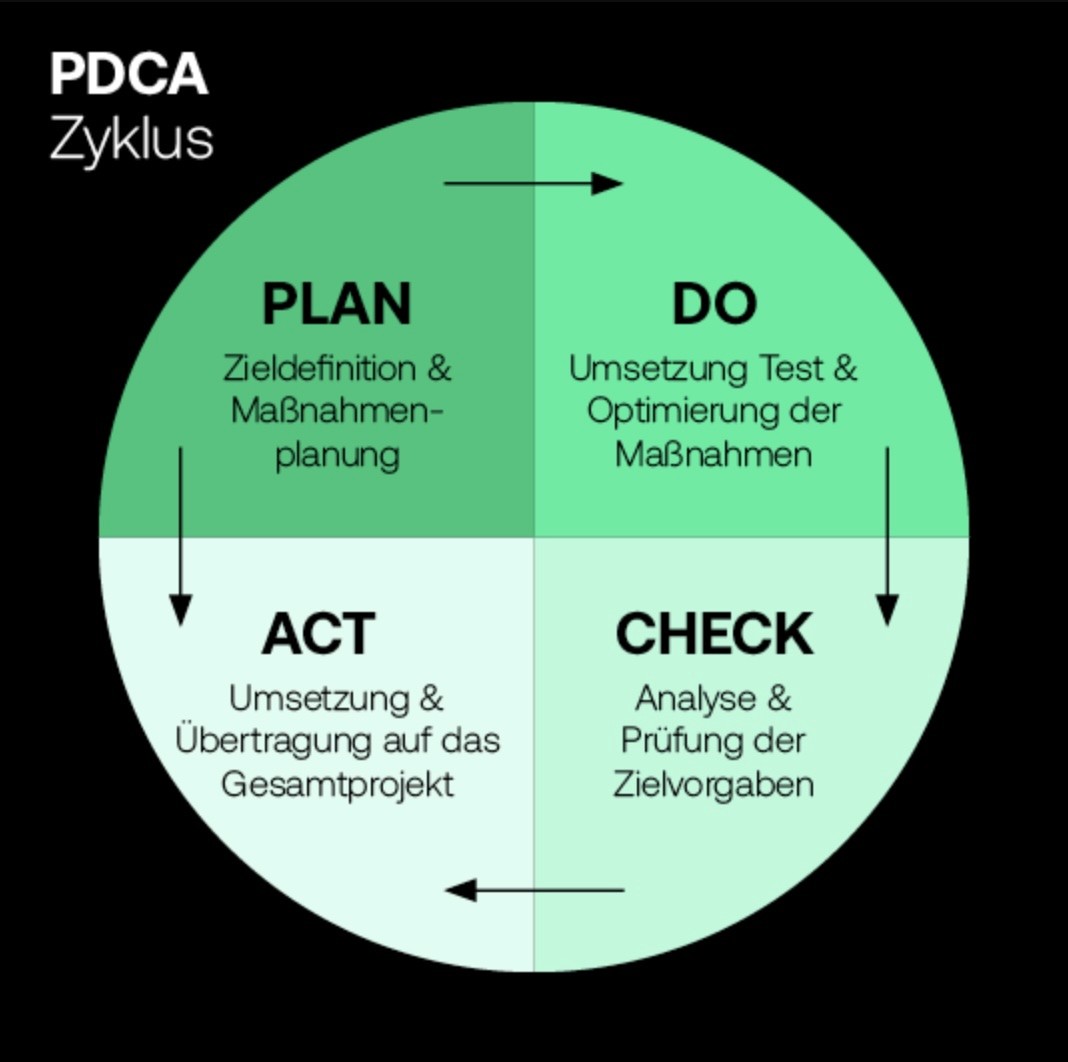
The energy management system uses the so-called PDCA cycle: "Plan-Do-Check-Act". The cycle comes from quality assurance and enables companies to continuously improve work processes and products.
The individual steps of the PDCA cycle in the energy management system can be defined as follows:
Create energy plan („Plan“)
Start with an inventory and define strategic as well as operational energy targets. Executive management introduces strategic energy targets and creates an action plan with clear responsibilities.
Implement measures („Do“)
Implement the planned measures. Create structures that serve monitoring and improve processes.
Check effectiveness („Check“)
Assess the target-effectiveness of the measures through internal audits. External audits can also be useful.
Optimize processes („Act“)
Regularly review energy management at the management level. Adjust the strategy based on the results and initiate corrections.
How does trawa help with the implementation of DIN 50001?
Our products can instantly help you realize your energy management system and the advantages associated with it:
The green electricity tariff from trawa delivers 100% green electricity including the guarantees of origin required for the system.
The trawa Energy Assistant can measure your consumption and costs in real time and serves as a basis for deriving energy targets and savings measures.
Take the opportunity now for a free initial consultation. We look forward to your inquiry.
Energy management